Cleanroom Design Standards: Essential Guide for Modern Pharmaceutical Facilities
An overview of strict environmental classification, HEPA filtration layouts, pressure gradients, and modular cleanroom construction for sterile pharmaceutical processing.
Cleanroom Design Standards: Essential Guide for Modern Pharmaceutical Facilities
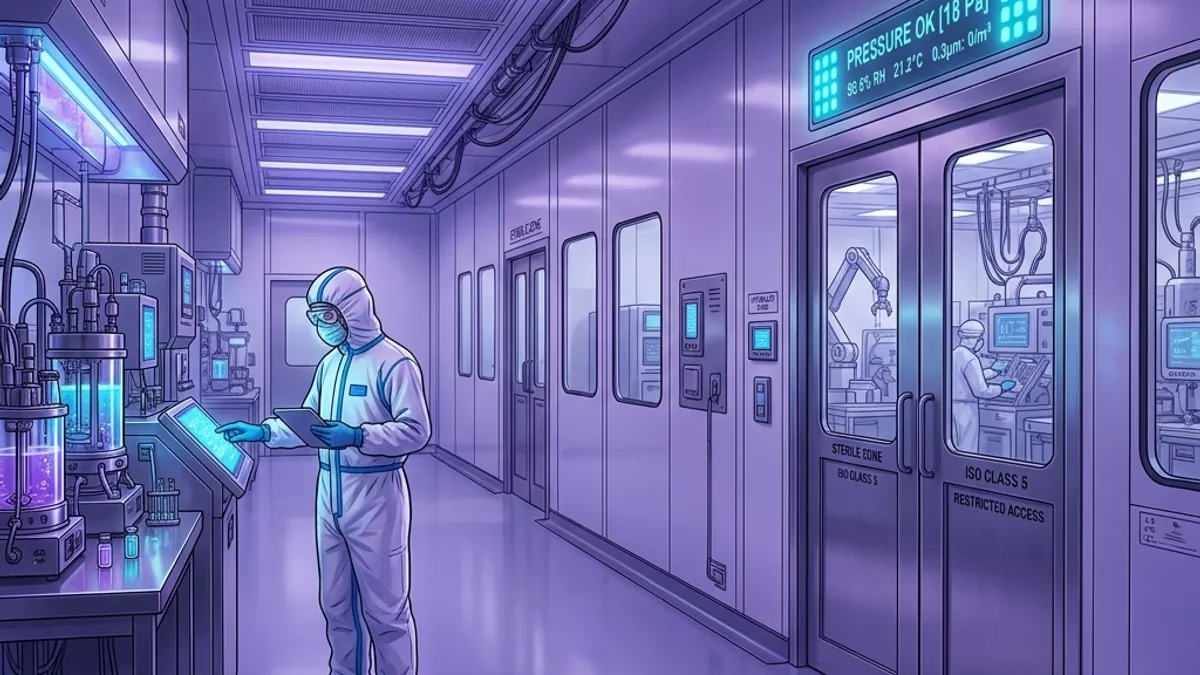
Operating a modern pharmaceutical manufacturing cleanroom requires a complex web of environmental controls. To ensure drug safety, efficacy, and strict compliance with international standards (such as ISO 14644 and EU GMP), your facilities must prevent contamination, regulate humidity, and control pressure gradients with micro-precision.
Classification Standards and Particle Thresholds
Cleanroom performance is defined by the maximum allowed concentration of airborne particulates per cubic meter of air. ISO 14644-1 details classifications from ISO 1 through ISO 9, with ISO 5 to ISO 8 being the most common levels inside sterile manufacturing facilities:
- ISO 5 (Class 100): Crucial for critical aseptic operations, including sterile filling zones and fluid paths.
- ISO 7 (Class 10,000): Commonly used for support areas, preparation rooms, and cleanroom corridors.
- ISO 8 (Class 100,000): The standard baseline for raw material storage, wash areas, and general formulation zones.
Implementing Positive and Negative Pressure Gradients
To prevent cross-contamination between different zones, cleanrooms rely on pressure differentials:
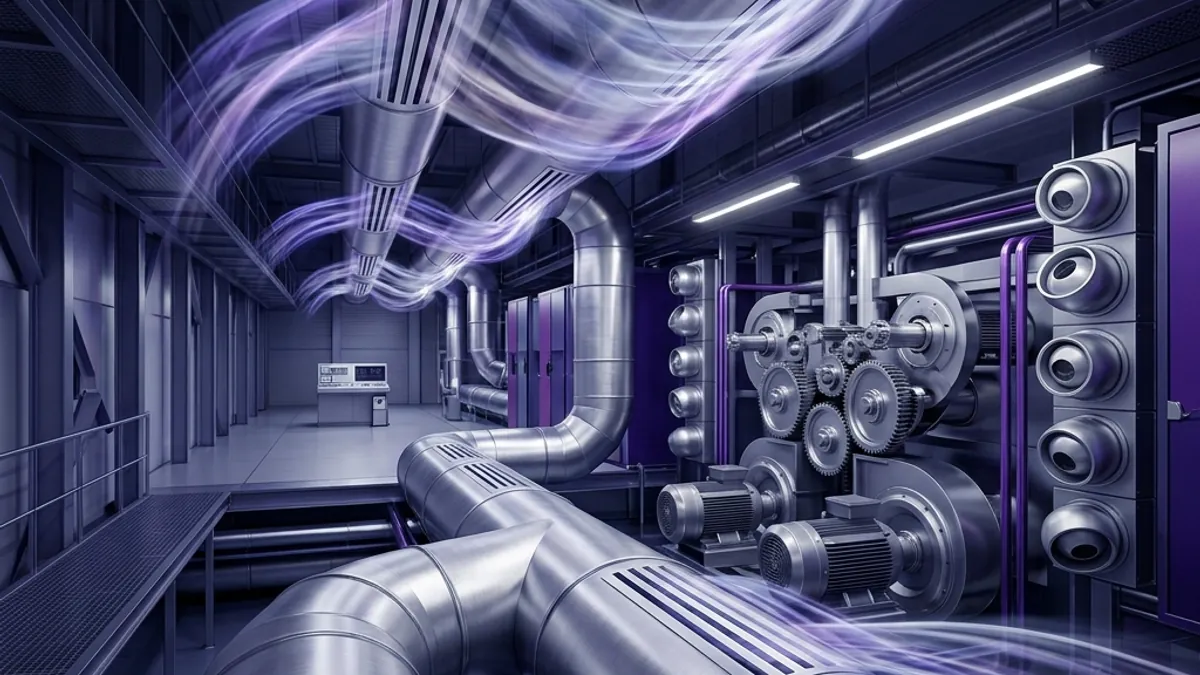
- Positive Pressure: Used to protect the cleanroom environment from external contamination. Clean air is continuously pumped in, forcing air out through cracks, doors, and transfer ports.
- Negative Pressure: Used when manufacturing hazardous substances, highly potent active pharmaceutical ingredients (APIs), or biological agents. The negative pressure ensures containment, preventing dangerous particles or pathogens from leaking into surrounding hallways.